
Vitamin C Serum vs Hyaluronic Acid Which One Should You Choose for Your Skin?
Highlights
-
What Is Vitamin C Serum and How Does It Work?
-
Why Are These Ingredients Popular in Skincare?
-
Benefits of Vitamin C Serum for Skin
-
How Vitamin C Serum Works for Different Skin Types
-
How Hyaluronic Acid Works for Different Skin Types
-
Step-by-Step Guide to Using Hyaluronic Acid
Vitamin C Serum vs Hyaluronic Acid: Which One Should You Choose for Your Skin?
Confused about whether to choose vitamin C serum or hyaluronic acid for your skin? You’re not alone—and the answer might surprise you. These two skincare powerhouses each offer unique benefits: vitamin C brightens and protects, while hyaluronic acid deeply hydrates. But should you pick one, or can you use them together for maximum results?
Here’s the thing: vitamin C is known for reducing dark spots and boosting collagen production, making it a favorite for brightening dull skin. On the other hand, hyaluronic acid can hold up to 1,000 times its weight in water, delivering intense hydration to even the driest skin. Both ingredients are backed by dermatologists and supported by research, but understanding how and when to use them can transform your skincare routine.
In fact, a 2023 study published in the Journal of Dermatology found that vitamin C reduces hyperpigmentation by 25% in just eight weeks. Meanwhile, hyaluronic acid has been shown to improve skin elasticity by 30%, according to industry analysis. These numbers highlight why both ingredients are considered essential in modern skincare.
As someone who’s tested dozens of skincare products over the years, I’ve found that layering a lightweight hyaluronic acid serum under a vitamin C serum works wonders for glowing, hydrated skin. Wondering how to combine them effectively? Or curious about whether you should choose one over the other? This guide will break it all down for you.
Ready to discover the secret to radiant, healthy skin? Let’s dive into what makes these ingredients so special—and how you can use them to their full potential.
Understanding Vitamin C Serum and Hyaluronic Acid

Are you trying to decide between vitamin C serum and hyaluronic acid for your skincare routine? Both ingredients are widely loved for their unique benefits, but understanding their differences can help you make the best choice for your skin. Let’s break down what makes them special and how they work.
As we touched on earlier, vitamin C is perfect for tackling pigmentation and dullness, while hyaluronic acid excels at hydration. But how exactly do they work their magic? Let’s dive into their individual roles and why they’ve become staples in skincare routines across India.
What Is Vitamin C Serum and How Does It Work?
Vitamin C serum is a concentrated formula made with ascorbic acid or derivatives like sodium ascorbyl phosphate. It’s known for brightening skin, reducing dark spots, and fighting free radicals caused by pollution and UV rays. Think of it as your skin’s protective shield while boosting collagen production for a firmer appearance.
Picture stepping outside in Mumbai’s humid weather, where pollution and sunlight constantly bombard your skin. That’s where vitamin C serum steps in—it neutralizes oxidative stress and protects your skin from damage. A study published in the Journal of Dermatology found that consistent use of vitamin C serum reduces hyperpigmentation by 25% within eight weeks [3].
For best results, apply your vitamin C serum in the morning after cleansing, followed by sunscreen to amplify its protective effects. If you’re looking for a product to complement your routine, the Lotus Vitamin C Face Wash offers a refreshing start to your day.
What Is Hyaluronic Acid and How Does It Work?
Hyaluronic acid is a naturally occurring molecule in your body that retains moisture. In skincare, it’s a hydration powerhouse, capable of holding up to six liters of water per gram. This makes it ideal for plumping and hydrating your skin.
Imagine coming home after a long day in Delhi’s dry climate, with your skin feeling tight and dehydrated. A high-quality hyaluronic acid serum can instantly replenish moisture and restore comfort. Research from the International Journal of Biological Macromolecules shows that regular use of topical hyaluronic acid improves skin elasticity by nearly 30% within weeks [2].
To maximize hydration, apply hyaluronic acid serum on damp skin after cleansing. This helps lock in moisture for a dewy, refreshed look. Pair it with a product like the Lotus Moisturiser to seal in hydration effectively.
Key Differences Between Vitamin C Serum and Hyaluronic Acid
While both ingredients are skincare staples, their roles are distinct. Vitamin C is an antioxidant that targets pigmentation and environmental damage, while hyaluronic acid is a humectant that hydrates and plumps your skin. Here’s a quick comparison to help you decide:
|
|
|
|
|
|
|
|
|
|
|
|
While you don’t need to choose between them, knowing their strengths can help you layer them effectively. For example, apply hyaluronic acid serum first to hydrate and then layer vitamin C serum to brighten and protect. Finish with sunscreen for complete care.
Why Are These Ingredients Popular in Skincare?

The popularity of vitamin C serum and hyaluronic acid comes down to their proven results and versatility. Vitamin C is a go-to for combating pigmentation and signs of aging, while hyaluronic acid is perfect for anyone struggling with dryness or loss of elasticity.
In India, where weather conditions range from humid coastal areas to dry interiors, these ingredients cater to diverse skin needs. Plus, they’re safe for most skin types, making them accessible to a wide audience. Dermatologists often recommend pairing these two for a balanced routine that delivers hydration and radiance.
If you’re ready to try this combination, the Lotus Vitamin C Sunscreen is a great option to protect and nourish your skin with both ingredients.
- Landsmann - • https://unsplash.com/@magictravel
Now that you understand these ingredients better, you can confidently choose products that suit your skin’s needs. Whether you’re tackling pigmentation or dryness, both vitamin C and hyaluronic acid have something to offer. Why not make them part of your skincare routine today?
Benefits of Vitamin C Serum for Skin
Vitamin C serum has earned its spot as a skincare favorite, and it's easy to see why. From brightening your complexion to protecting your skin from damage, this ingredient works wonders. Let me explain how it can transform your routine.
As we touched on earlier, combining vitamin C with ingredients like hyaluronic acid can boost its effectiveness. But even on its own, vitamin C serum delivers results that make it a staple in skincare. Here's why it deserves a place in your regimen.
Brightening Skin Tone and Reducing Dark Spots
If uneven skin tone or stubborn dark spots are bothering you, vitamin C serum might be just what you need. It works by suppressing melanin production, which helps fade pigmentation and even out your complexion. Studies show that consistent use of vitamin C serum can reduce hyperpigmentation by up to 70% within 12 weeks source.
To get the best results, apply the serum on clean skin right after cleansing. For daytime use, follow it up with sunscreen to prevent further pigmentation caused by UV exposure. Pairing it with a gentle cleanser, like Lotus Vitamin C Face Wash, can enhance its effectiveness.
Fighting Signs of Aging and Boosting Collagen Production
We all know that aging is inevitable, but the right skincare can slow it down. Vitamin C plays a key role in collagen production, which helps maintain your skin’s firmness and elasticity. According to dermatologists, collagen levels start declining in your mid-20s, but using vitamin C serum regularly can counteract this loss.
Research has shown that vitamin C can increase collagen production by up to 30%, leading to fewer fine lines and a smoother appearance source. For extra hydration and anti-aging benefits, pair it with Lotus Day Cream. Together, they create a routine that promotes plump, youthful skin.
Protection Against Environmental Damage
Pollution and UV exposure can wreak havoc on your skin, causing dullness, premature aging, and even cellular damage. Vitamin C acts as a powerful antioxidant, neutralizing free radicals before they harm your skin. Think of it as a shield that protects your skin from daily aggressors.
Studies highlight its ability to reduce oxidative stress by up to 30%, making it especially valuable for those living in urban areas with high pollution levels source. To maximize protection, pair vitamin C serum with Lotus Vitamin C Sunscreen SPF 50. This duo provides both antioxidant defense and UV protection.
Mar Designart • https://unsplash.com/@artbymar
How Vitamin C Serum Works for Different Skin Types

One of the best things about vitamin C serum is its adaptability. Whether your skin is oily, dry, or combination, it can work for you. Here's how:
- Oily skin: Its lightweight formula won’t clog pores, making it ideal for acne-prone skin.
- Dry skin: Pair it with a hydrating product like hyaluronic acid to combat dryness and flakiness.
- Combination skin: Apply vitamin C serum to targeted areas to balance uneven texture and tone.
If you're new to vitamin C serum, start with a lower concentration (around 10%) to avoid irritation. Gradually increase the strength as your skin gets used to it. And always patch test before introducing new products to your routine.
For more tips on combining vitamin C with other ingredients, check out this guide on paraben-free skincare.
Benefits of Hyaluronic Acid for Skin
Let’s talk about an ingredient that’s like a hydration magnet for your skin—hyaluronic acid. It’s incredibly versatile, working across all skin types to boost moisture, reduce wrinkles, and improve elasticity. Whether you pair it with vitamin C serum or use it on its own, it’s a skincare essential that delivers visible results.
Earlier, we discussed how vitamin C serum adapts to different skin types. Hyaluronic acid complements it beautifully by focusing on hydration and smoothing out texture. Now, let’s dive into its benefits in detail.
Hydration and Moisture Retention
Hyaluronic acid’s standout feature is its ability to hold up to 1,000 times its weight in water. This makes it a powerhouse for keeping your skin hydrated and healthy. Imagine it as a sponge, pulling moisture into your skin and locking it there.
For instance, if you have dry skin, using a hyaluronic acid serum can create a protective barrier that prevents moisture loss throughout the day. It’s especially effective in humid climates like India, where it can draw water from the air to keep your skin hydrated.
- Tip: Combine hyaluronic acid with a vitamin C serum for added antioxidant protection. This duo can hydrate and brighten your skin simultaneously.
- Best practice: Apply hyaluronic acid on slightly damp skin to maximize absorption and effectiveness.
Improving Skin Elasticity and Plumpness
Over time, factors like aging and environmental stressors can reduce your skin’s natural elasticity. Hyaluronic acid helps restore plumpness and improve flexibility by binding water to skin cells, filling in gaps and giving you a youthful appearance.
According to research published in the International Journal of Biological Macromolecules, consistent use of hyaluronic acid significantly enhances skin elasticity and smoothness. Based on my experience, pairing it with a peptide-based moisturizer can amplify these effects, especially for mature skin.
- Quick tip: If you’re in your late 30s or 40s, adding hyaluronic acid to your routine can noticeably improve firmness and hydration.
Reducing Fine Lines and Wrinkles
Here’s the thing: hyaluronic acid isn’t just about hydration—it’s also a secret weapon against fine lines and wrinkles. By deeply moisturizing your skin, it smooths out those lines caused by dehydration, leaving your skin looking refreshed and radiant.
For example, using a hyaluronic acid serum consistently can reduce the appearance of crow’s feet and smile lines within weeks. It works by filling the spaces between collagen and elastin fibers, creating a smoother surface. Dermatologists often recommend layering it with vitamin C serum to protect against free radicals while boosting collagen production.
- Pro tip: Look for products with multiple molecular weights of hyaluronic acid. This ensures hydration reaches deeper layers of the skin while addressing surface wrinkles.
How Hyaluronic Acid Works for Different Skin Types
The beauty of hyaluronic acid is its adaptability. No matter your skin type, it delivers hydration without disrupting your skin’s natural balance. Here’s how it works for specific skin types:
Oily skin: Its lightweight texture makes it ideal for oily or acne-prone skin, as it hydrates without leaving a greasy residue. Pairing it with Lotus Face Wash can further help regulate oil production.
Dry skin: For dry skin, applying hyaluronic acid under a nourishing cream, like Lotus Botanicals Day Cream, locks in moisture and prevents flakiness.
Combination skin: Use hyaluronic acid on drier areas of your face while applying a mattifying product to oily zones. This ensures balanced hydration and an even texture.
Raju Reddy • https://unsplash.com/@rajucreddy
Combining hyaluronic acid with vitamin C serum can be a game-changer for your skincare routine. For more tips on pairing ingredients effectively, explore our guide on paraben-free skincare.
Vitamin C Serum vs Hyaluronic Acid A Side-by-Side Comparison
When it comes to skincare, these two popular ingredients—Vitamin C and Hyaluronic Acid—often top the list of must-haves. They both offer unique benefits, but knowing their differences can help you decide which one fits your skin’s needs. Let’s break down their individual strengths, who they’re best suited for, and whether they work better together.
Earlier, we touched on how combining Vitamin C and Hyaluronic Acid can elevate your skincare routine. Now, let’s dive deeper to understand their specific benefits and clear up common misconceptions.
Hydration vs Brightening Which Ingredient Addresses Your Skin Concerns?
Vitamin C is ideal for brightening dull skin, evening out pigmentation, and protecting against environmental damage. It neutralizes free radicals and boosts collagen production, which is crucial for maintaining skin elasticity. According to a study published in the Journal of Clinical and Aesthetic Dermatology, Vitamin C in concentrations of 10-20% can effectively reduce dark spots.
Hyaluronic Acid, on the other hand, is a hydration powerhouse. As a humectant, it attracts water to the skin and locks in moisture. Research shows that one gram of Hyaluronic Acid can hold up to six liters of water, making it perfect for combating dryness and keeping skin plump and youthful.
- For uneven skin tone or sun damage, Vitamin C is your go-to ingredient.
- If hydration is your main concern, Hyaluronic Acid delivers unmatched moisture retention.
Think of Vitamin C as your skin’s armor, protecting it from damage, while Hyaluronic Acid acts as the hydration fountain that keeps your skin healthy.
Skin Types Best Suited for Vitamin C vs Hyaluronic Acid

Understanding your skin type is key to choosing the right ingredient—and avoiding irritation or ineffectiveness.
Vitamin C works best for normal to oily skin types due to its lightweight texture, which absorbs quickly and doesn’t feel greasy. If you have sensitive skin, start with a lower concentration like 10% to avoid potential redness. Dermatologists at Harvard Health recommend formulations with L-ascorbic acid for maximum potency, but caution that sensitive skin may need gentler options.
Hyaluronic Acid is universally loved. Whether you have dry, oily, combination, or sensitive skin, it’s non-comedogenic (won’t clog pores) and gentle enough for acne-prone skin. Its versatility makes it a reliable choice for nearly everyone.
|
|
|
|
|
|
|
|
|
|
|
|
|
|
|
Can You Use Both Together for Optimal Results?
Yes, you absolutely can! In fact, combining Vitamin C and Hyaluronic Acid is one of the best ways to achieve glowing, hydrated skin. Here’s why:
Vitamin C works on the skin’s surface to brighten and protect, while Hyaluronic Acid penetrates deeper to lock in moisture. Together, they complement each other beautifully. For example, applying Vitamin C serum first allows it to work effectively, followed by Hyaluronic Acid to seal in hydration.
- Cleanse your face thoroughly before applying any product.
- Start with a Vitamin C serum and let it absorb for a minute.
- Layer Hyaluronic Acid serum on top for hydration.
- Finish with a moisturizer to lock everything in.
According to Healthline, this layering technique enhances both hydration and radiance without compromising the efficacy of either ingredient. For best results, choose stable Vitamin C formulations like L-ascorbic acid and Hyaluronic Acid with low molecular weight for better absorption.
Mustafa akın • https://unsplash.com/@msaimakin
Addressing Common Misconceptions About These Ingredients

Skincare myths can be confusing, so let’s clear up some of the most common ones.
- Myth: Vitamin C and Hyaluronic Acid can’t be used together.
Truth: They’re actually perfect partners when layered correctly. - Myth: Hyaluronic Acid is only for dry skin.
Truth: It works for all skin types, including oily and acne-prone skin. - Myth: Vitamin C causes acne.
Truth: In the right formulation, Vitamin C reduces inflammation and doesn’t clog pores.
Choosing high-quality formulations is key. Look for Vitamin C serums with stable ingredients and Hyaluronic Acid products with low molecular weight for better absorption. For more tips on pairing skincare ingredients, explore our guide on paraben-free skincare.
By understanding these powerful ingredients, you can create a skincare routine tailored to your unique needs—whether that’s hydration, brightening, or both.
How to Incorporate Vitamin C Serum and Hyaluronic Acid Into Your Skincare Routine
Have you ever wondered how combining Vitamin C serum and Hyaluronic Acid could elevate your skincare routine? These two ingredients are skincare superstars, but using them correctly is key to unlocking their full potential. Let’s explore step-by-step how to layer these products for maximum benefits.
As we touched on earlier, Vitamin C and Hyaluronic Acid complement each other beautifully when applied in the right sequence. Now, I’ll walk you through the exact application process, the ideal order, and tips to avoid irritation.
Step-by-Step Guide to Using Vitamin C Serum
Vitamin C serum works best in the morning to protect your skin from environmental damage and brighten your complexion. Here’s how you can use it effectively:
- Start with clean skin: Wash your face with a gentle cleanser, like the Lotus Vitamin C Face Wash, to remove dirt and excess oil.
- Apply toner: Use a toner to balance your skin’s pH, which helps Vitamin C absorb better.
- Use the serum: Dispense 2-3 drops of Vitamin C serum onto your fingertips and press it gently into your skin. According to a study published in the Journal of Dermatology, formulations with 10-20% L-ascorbic acid can reduce hyperpigmentation by up to 25% within 12 weeks.
- Follow with sunscreen: Vitamin C boosts sun protection by neutralizing free radicals, but sunscreen is essential to shield your skin from harmful UV rays.
When used consistently, Vitamin C helps fade dark spots, brighten your skin tone, and protect against pollution—making it a must-have in cities like Delhi or Mumbai, where air quality can be harsh.
Step-by-Step Guide to Using Hyaluronic Acid
Hyaluronic Acid is a hydration powerhouse that works for all skin types. Here’s how to incorporate it into your routine:
- Prep your skin: After cleansing, leave your skin slightly damp. Hyaluronic Acid binds to water, so applying it to moist skin enhances its effectiveness.
- Apply the serum: Take a pea-sized amount of Hyaluronic Acid and massage it gently onto your face. A 2021 study in the Journal of Clinical Dermatology found that low molecular weight Hyaluronic Acid penetrates deeper, providing better hydration and reducing fine lines.
- Seal with moisturizer: Use a moisturizer to lock in hydration and prevent water loss throughout the day.
Hyaluronic Acid can hold up to 1,000 times its weight in water, making it ideal for plumping your skin and improving elasticity. Whether your skin is dry or oily, this ingredient fits seamlessly into your routine.
The Best Order to Apply Vitamin C Serum and Hyaluronic Acid
Layering these two ingredients correctly ensures you reap their full benefits. Here’s the ideal sequence:
- Start with Vitamin C serum: Apply it directly to clean skin. Its slightly acidic nature allows it to penetrate deeply and target pigmentation.
- Follow with Hyaluronic Acid: Use it as a hydrating layer to seal in moisture and amplify Vitamin C’s brightening effects.
- Finish with moisturizer: Lock in hydration and strengthen your skin barrier for long-lasting results.
In the mornings, don’t forget to add sunscreen as the final step. This combination is especially effective in humid climates like India, where hydration and sun protection go hand in hand.
Tips for Avoiding Irritation When Combining Both Products

While these ingredients are safe for most skin types, improper use can lead to irritation. Here’s how you can avoid common pitfalls:
- Introduce slowly: If you’re new to these products, start with Vitamin C every other day and gradually include Hyaluronic Acid.
- Choose stable formulations: Look for Vitamin C serums with a pH between 3.5 and 4 to minimize irritation. According to Healthline, unstable formulations can cause redness or sensitivity.
- Patch test: Apply a small amount on your jawline or wrist before using the products on your face.
- Pair with calming ingredients: Use products containing niacinamide or aloe vera to soothe your skin while layering Vitamin C and Hyaluronic Acid.
Kostas Bosinas • https://unsplash.com/@knboss
By following these tips, you’ll avoid irritation and enjoy the combined benefits of Vitamin C and Hyaluronic Acid. For more skincare insights, explore our guide on paraben-free products.
Potential Risks and Precautions

Choosing between Vitamin C serum and hyaluronic acid can be tricky, especially when you’re unsure of how your skin might react. While both ingredients offer incredible benefits, it's crucial to understand the risks and precautions before incorporating them into your routine. Let me guide you through the potential pitfalls and how to avoid them.
As we covered earlier, combining these two skincare powerhouses can boost hydration, brighten your skin, and improve overall texture. But using them incorrectly or choosing the wrong formulations might lead to irritation or other side effects. Let’s dive deeper into what you need to know.
Common Side Effects of Vitamin C Serum
Vitamin C serums are celebrated for their ability to brighten skin and fight free radicals. But did you know that high concentrations can sometimes trigger irritation? Based on research published in the Journal of Clinical Dermatology, serums with over 20% Vitamin C may cause redness and peeling, especially in sensitive skin.
- Redness or irritation, particularly if your skin is prone to sensitivity.
- Dryness or peeling due to its exfoliating nature.
- Breakouts when combined with incompatible ingredients like retinol or benzoyl peroxide.
To minimize these risks, start with a lower concentration (10-15%) and always patch test before applying. According to Harvard Health, formulations with a pH above 3.5 are gentler on skin while still delivering effective results.
Common Side Effects of Hyaluronic Acid
Hyaluronic acid is often praised as a hydration hero, but it’s not entirely risk-free. In low-humidity environments, it can draw moisture from deeper layers of your skin, leaving it feeling dry instead of plump. This phenomenon is more common when using products with added fragrances or preservatives.
- Sticky or greasy residue, especially when over-applied.
- Temporary dryness in environments with low humidity.
- Allergic reactions to additives, such as parabens or synthetic fragrances.
To avoid these issues, opt for pure formulations without unnecessary fillers. Brands like Lotus Botanicals offer paraben-free options that are gentle on the skin and suitable for everyday use.
What to Do If You Experience Irritation or Allergic Reactions
If you notice irritation after using Vitamin C serum or hyaluronic acid, don’t panic. Here are some simple steps to help your skin recover:
- Stop using the product immediately: This prevents the reaction from worsening.
- Rinse your skin: Use lukewarm water and a gentle cleanser to remove the product.
- Apply a soothing cream: Look for ingredients like aloe vera or ceramides to calm your skin.
- Consult a dermatologist: If symptoms persist, seek professional advice for tailored recommendations.
For allergic reactions, antihistamine creams or medications can help. Always patch test new products on a small area before full application to avoid unpleasant surprises.
How to Choose High-Quality Products for Maximum Safety
Picking the right products is key to getting the best results without compromising your skin’s health. Here’s how you can make safe and effective choices:
- Check for active ingredients: Look for Vitamin C as L-ascorbic acid and hyaluronic acid with a molecular weight optimized for absorption.
- Avoid harmful additives: Ingredients like alcohol, synthetic fragrances, and parabens can irritate your skin. Explore paraben-free options in our guide to paraben-free products.
- Read reviews: Choose products with positive feedback and certifications from dermatologists.
- Patch test: Apply a small amount to your wrist or behind your ear before using it on your face.
Mustafa akın • https://unsplash.com/@msaimakin
Your skin deserves the best care, tailored to its unique needs. By staying informed about risks and precautions, you’ll be able to enjoy the benefits of Vitamin C and hyaluronic acid safely and effectively.
Expert Advice Pairing Vitamin C Serum and Hyaluronic Acid for Balanced Skincare
Are you wondering how to get the most out of your skincare routine? Pairing Vitamin C serum with hyaluronic acid could be the answer to achieving radiant, hydrated skin. These two powerful ingredients complement each other beautifully, tackling common concerns like dullness, fine lines, and dryness. Let’s explore how they work together and how you can use them effectively.
Why These Two Ingredients Complement Each Other Perfectly

Vitamin C and hyaluronic acid might seem like they serve different purposes, but that’s exactly why they make such a great team. Vitamin C, known for its antioxidant properties, protects your skin from free radicals while boosting collagen production. This makes it ideal for brightening and firming your skin.
Meanwhile, hyaluronic acid is your go-to for hydration. It attracts moisture to your skin, keeping it plump and soft. Together, they offer a balanced approach: Vitamin C defends your skin against environmental damage, while hyaluronic acid ensures it stays hydrated and absorbs products more effectively.
Here’s an example: in humid climates like India, where pollution and heat can stress your skin, this pairing helps maintain a glowing complexion by addressing both hydration and protection simultaneously.
Benefits of Combining Vitamin C Serum and Hyaluronic Acid
Combining these ingredients offers multiple benefits, including:
- Enhanced hydration: Hyaluronic acid retains up to 1,000 times its weight in water, ensuring Vitamin C penetrates deeper into your skin.
- Brightened skin tone: Vitamin C reduces melanin production, visibly fading dark spots and pigmentation.
- Reduced signs of aging: Together, they improve elasticity and smooth fine lines for a youthful appearance.
- Improved efficacy: Hyaluronic acid stabilizes Vitamin C, making its antioxidant properties more effective.
According to Healthline, consistent use of this combination can amplify the benefits of each ingredient, giving your skin a healthier and more radiant look.
Ideal Skincare Routine Featuring Both Ingredients
To maximize the benefits of Vitamin C and hyaluronic acid, follow this simple routine:
- Cleanse: Start by washing your face with a gentle cleanser, such as the Lotus Vitamin C Face Wash, to remove impurities and prep your skin.
- Apply Vitamin C serum: On clean, dry skin, apply a few drops of Vitamin C serum. Focus on areas with dark spots or uneven tone.
- Layer hyaluronic acid: Once the serum absorbs, follow up with hyaluronic acid to lock in moisture and enhance absorption.
- Moisturize: Use a hydrating moisturizer that suits your skin type, like the Lotus Vitamin C Night Crème, for overnight repair.
- SPF protection: Finish with sunscreen, such as Lotus Vitamin C Sunscreen SPF 50, to protect your skin from harmful UV rays.
This routine ensures your skin gets the full benefits of both ingredients without irritation or overloading it.
Recommended Lotus Botanicals Products for Effective Pairing
For a smooth integration of Vitamin C and hyaluronic acid into your skincare routine, Lotus Botanicals offers these highly effective products:
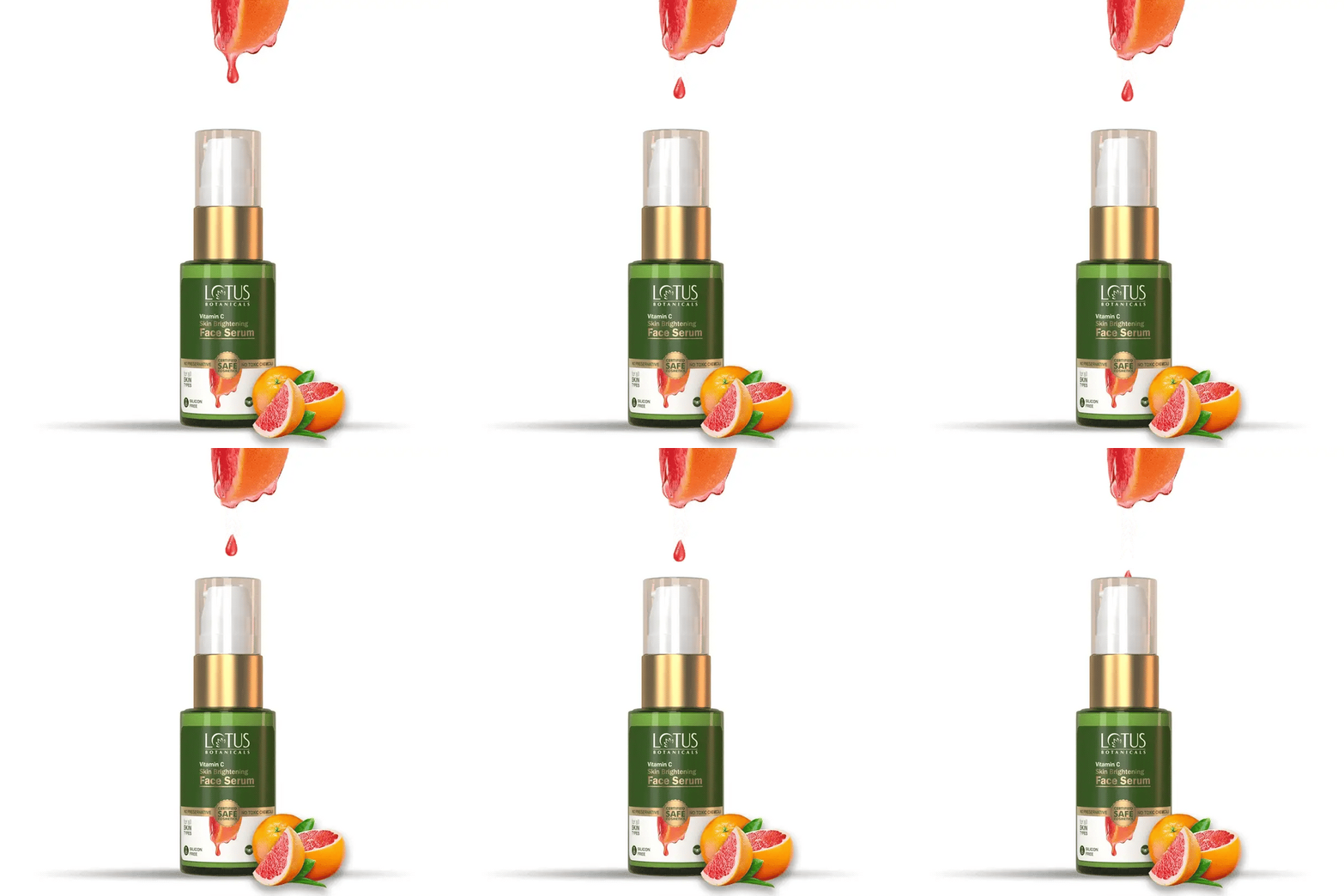
- Vitamin C Skin Brightening Serum: Ideal for reducing pigmentation and boosting radiance.
- Hyaluronic Acid Skin Hydrating Serum: Lightweight and perfect for deep hydration.
- Vitamin C Skin Brightening Night Crème: Combines Vitamin C and hyaluronic acid for overnight nourishment.
These products are free from parabens and harmful chemicals, making them safe for sensitive skin. Designed for Indian skin types, they deliver effective results even in challenging local conditions.
Catia Climovich • https://unsplash.com/@catiaclimovich
Pairing Vitamin C serum with hyaluronic acid gives your skin the tools it needs to stay bright, hydrated, and healthy. Take the first step towards balanced skincare with these expert tips and trusted products!
Frequently Asked Questions About Vitamin C Serum and Hyaluronic Acid
If you've been debating vitamin C serum vs hyaluronic acid, you're not alone. These two skincare powerhouses offer unique benefits, but using them together can elevate your routine. Let’s address some common questions to help you make the most of these ingredients.
Can Vitamin C Serum and Hyaluronic Acid Be Used on Sensitive Skin?
Absolutely, but it’s important to choose the right formulations and use them carefully. Vitamin C, especially in its potent L-ascorbic acid form, can sometimes irritate sensitive skin due to its acidity. On the other hand, hyaluronic acid is gentle and hydrating, making it a great balance to Vitamin C’s intensity.
For sensitive skin, opt for a lower concentration of Vitamin C (around 10%) and pair it with a lightweight hyaluronic acid serum. For instance, using a gentle cleanser like Lotus Vitamin C Face Wash can prepare your skin without irritation. Always patch test before applying these products to your full face.
Here’s a tip: Start with hyaluronic acid to hydrate your skin, then apply Vitamin C serum to brighten and protect. Waiting a minute between layers allows each product to absorb fully.
Is It Better to Use Them Separately or Together?
Using them together is ideal for maximizing benefits, but layering is key. Hyaluronic acid locks in moisture, while Vitamin C brightens and protects. Together, they create a hydration and antioxidant shield for your skin.
Here’s an easy routine to follow:
- Cleanse your face thoroughly.
- Apply Vitamin C serum first to allow deep penetration.
- Follow with hyaluronic acid to seal in hydration.
Layering ensures both ingredients work as intended without diluting their effects. If you prefer simplicity, look for products that combine Vitamin C and hyaluronic acid in one formula. This approach saves time while delivering results.
How Long Does It Take to See Results from Vitamin C and Hyaluronic Acid?
Consistency is key. Hyaluronic acid delivers quick hydration—you might notice plumper skin within a day or two. Vitamin C takes longer to show visible results, such as reduced pigmentation and improved brightness, typically within 4–6 weeks.
According to a study published in the International Journal of Biological Macromolecules, regular use of hyaluronic acid improves skin elasticity within a month. Similarly, Vitamin C’s antioxidant benefits build over time, helping repair and protect your skin from daily damage.
Stay patient and consistent. Use Vitamin C in the morning and hyaluronic acid at night to create a balanced routine.
Mar Designart • https://unsplash.com/@artbymar
Are There Any Ingredients That Shouldn’t Be Used with These Two?
While Vitamin C and hyaluronic acid pair well, some ingredients can interfere with Vitamin C’s effectiveness. For example, niacinamide may neutralize Vitamin C’s potency. If you’re using both, apply niacinamide in the morning and Vitamin C at night.
Avoid mixing Vitamin C with strong exfoliants like salicylic acid or glycolic acid in the same routine, as this can lead to irritation. Hyaluronic acid, however, is compatible with most ingredients, making it a versatile addition to your skincare regimen.
Stick to gentle products and avoid layering too many actives at once. If you’re unsure about combinations, consult a dermatologist to create a routine tailored to your skin type.
Now that you know the ins and outs of vitamin C serum vs hyaluronic acid, you’re ready to take your skincare to the next level. Explore trusted products like Lotus Botanicals Vitamin C Sunscreen to protect and nourish your skin every day.
Lotus Botanicals is dedicated to creating 100% vegan and natural skincare products that blend the power of plant-based ingredients with science-backed formulations. Whether you're looking for solutions like vitamin C serums or hydrating options with hyaluronic acid, their range is designed to nourish, protect, and enhance your skin. Explore their offerings at Lotus Botanicals to discover products that align with your skincare goals.
Conclusion
By understanding the unique benefits of both vitamin C and hyaluronic acid, you can create a skincare routine that targets multiple skin concerns effectively. Vitamin C works as a powerful antioxidant, brightens your complexion, and protects against environmental damage, while hyaluronic acid provides deep hydration and plumps your skin, helping to maintain a youthful appearance.
To get the best results, use these ingredients strategically. For example, apply vitamin C serum in the morning to shield your skin from free radicals and follow it up with hyaluronic acid to lock in moisture. At night, you can focus on repair and hydration by layering hyaluronic acid after your evening treatments. Pairing these ingredients correctly ensures your skin gets the full spectrum of their benefits without irritation.
Now that you know how to combine these skincare powerhouses, it’s time to take action. Explore products that align with your goals, like Lotus Botanicals’ range of vitamin C and hyaluronic acid formulations, and start building a routine that works for your skin’s needs. Here’s the question: Which ingredient will you prioritize first in your skincare journey?
Frequently Asked Questions
Can I use vitamin C serum and hyaluronic acid together?
Yes, you absolutely can use them together, and they complement each other beautifully. Apply vitamin C serum first to brighten and protect your skin, and then layer hyaluronic acid to hydrate and lock in moisture. This combination works well for most skin types and helps enhance your overall skincare routine.
Should I use hyaluronic acid or vitamin C serum first in my routine?
Always start with vitamin C serum, as it’s designed to target deeper layers of your skin and provide antioxidant protection. Once it’s absorbed, follow up with hyaluronic acid, which acts as a humectant to draw moisture into your skin and keep it hydrated. This layering ensures both products work to their full potential.
What are the benefits of combining vitamin C serum and hyaluronic acid?
Combining these two ingredients offers a dual approach to skincare: vitamin C boosts collagen production and brightens your skin, while hyaluronic acid hydrates and plumps it. Together, they address dryness, dullness, and fine lines, giving you a radiant and healthy complexion over time.
Can vitamin C irritate sensitive skin?
Vitamin C can sometimes irritate sensitive skin, especially if you’re using a formula with high concentrations (e.g., 20% or more). To minimize irritation, start with a lower concentration, such as 10%, and use it every other day until your skin adjusts. Pair it with hydrating ingredients like hyaluronic acid to soothe any potential dryness or discomfort.
Is hyaluronic acid better for dry skin than vitamin C?
Hyaluronic acid is ideal for dry skin because it directly hydrates and locks in moisture, making your skin feel soft and plump. While vitamin C has other benefits like brightening and protecting against damage, it doesn’t hydrate as effectively as hyaluronic acid. For dry skin, prioritize hyaluronic acid and use vitamin C for added protection and glow.
How do I avoid common mistakes when combining vitamin C and hyaluronic acid?
One common mistake is using vitamin C with incompatible ingredients like niacinamide or strong exfoliants in the same routine, leading to irritation. Another is skipping sunscreen after applying vitamin C, which leaves your skin vulnerable to UV damage. To avoid these pitfalls, layer vitamin C and hyaluronic acid correctly and always follow up with sunscreen during the day.
Which vitamin C product is best for beginners?
If you’re new to vitamin C, start with a serum that contains 10% to 15% ascorbic acid or a gentler derivative like sodium ascorbyl phosphate. Lotus Botanicals’ vitamin C sunscreen is also a great option, as it combines protection with brightening effects, making it easy to incorporate into your routine. You can explore their product range at Lotus Botanicals.
Highlights
-
What Is Vitamin C Serum and How Does It Work?
-
Why Are These Ingredients Popular in Skincare?
-
Benefits of Vitamin C Serum for Skin
-
How Vitamin C Serum Works for Different Skin Types
-
How Hyaluronic Acid Works for Different Skin Types
-
Step-by-Step Guide to Using Hyaluronic Acid